
June gave Texas plenty of momentum on the recruiting trail, but the next few weeks may determine how the Longhorns’ entire 2027 class is remembered.
Steve Sarkisian and his staff spent June hosting some of the nation’s top prospects in Austin during official visit season. The relationships built during those visits are now entering the most important phase of the recruiting cycle. July is traditionally one of the busiest commitment months in college football recruiting, and Texas finds itself in contention for several elite targets who could significantly impact the future of the program.
The Longhorns have already assembled one of the nation’s strongest recruiting foundations. What happens in July could elevate that class from excellent to potentially championship-caliber.
Recruiting rankings alone do not win SEC titles. Consistently signing elite talent at premium positions creates the depth, competition, and roster balance required to compete with programs like Georgia, Alabama, and LSU over multiple seasons.
Texas has positioned itself for that opportunity.
June Created Momentum That Texas Must Capitalize On
Official visit season often shapes the recruiting landscape long before prospects make public announcements.
Throughout June, Texas hosted a series of high-profile visitors that included five-star prospects, top in-state recruits, and several players ranked among the best at their positions nationally.
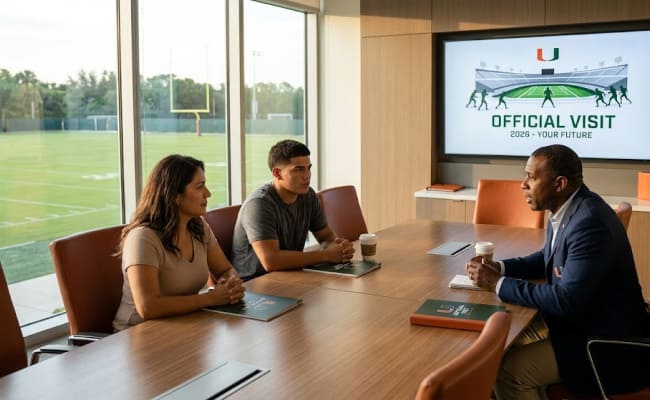
Among the notable visitors were Monshun Sales, Landen Williams-Callis, Dhillon McGee, and Jason Johnson, all players who remain important recruiting targets for the Longhorns moving forward.
The objective of an official visit extends beyond showing facilities.
Prospects spend time with coaches, future teammates, academic staff, and support personnel. They experience the culture of the program and evaluate whether they can envision themselves playing there for the next several years.
Texas has become increasingly effective at creating those impressions.
The combination of SEC membership, upgraded facilities, NIL opportunities, and recent player development success gives the coaching staff a compelling message.
Now comes the difficult part.
Converting strong visit impressions into commitments.
The latest national recruiting rankings continue to place Texas among the country’s recruiting leaders, reflecting the progress the program has made under Sarkisian.
Several Priority Targets Are Nearing Decisions
One reason July carries so much significance is timing.
Many elite recruits prefer making commitments before their senior high school seasons begin. That allows them to focus on football and avoid constant recruiting attention throughout the fall.
Texas currently finds itself in strong position with multiple high-profile prospects expected to announce decisions during July.
Some of those recruits are evaluating Texas alongside SEC rivals. Others are considering national powers from across the country.
Every commitment matters.
The SEC has become increasingly competitive on the recruiting trail, creating situations where a single recruiting victory can strengthen one contender while weakening another.
Texas understands that reality.
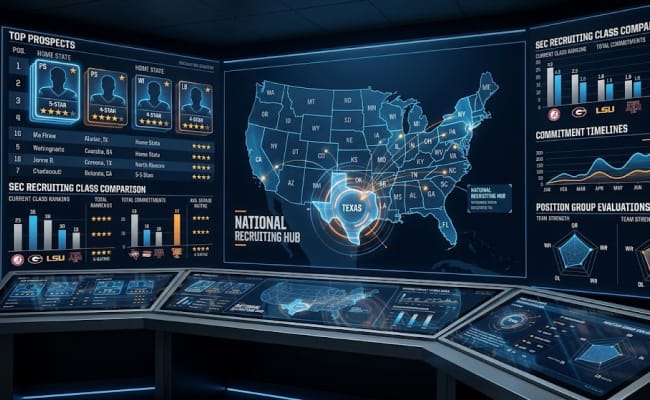
The Longhorns have built a recruiting strategy centered on identifying players who fit both the culture and long-term roster needs of the program. Position priorities remain focused on areas that directly influence SEC success, including offensive line, defensive line, linebacker, and defensive back.
Key Recruiting Areas For Texas Entering July
| Position Group | Current Priority Level |
|---|---|
| Offensive Line | Very High |
| Defensive Front | Very High |
| Defensive Back | High |
| Linebacker | High |
| Wide Receiver | Moderate |
| Running Back | Moderate |
That distribution reflects a coaching staff focused on winning at the line of scrimmage, where SEC championships are often decided.
The Longhorns Are Selling More Than Tradition
For decades, Texas relied heavily on its history and brand recognition during recruiting battles.
Those advantages still matter.
Today’s recruits evaluate programs differently than previous generations.
Player development, NFL opportunities, coaching stability, conference competition, and NIL resources now play major roles in recruiting decisions.
Texas can point to progress in each category.
The Longhorns continue producing NFL talent, and recruits regularly hear from former players who successfully transitioned from Austin to professional football. The coaching staff has remained stable, creating consistency in recruiting relationships and player development plans.
Texas’ move into the SEC strengthened the recruiting pitch even further.
Elite prospects no longer need to leave the state to compete in college football’s toughest conference.
That message resonates strongly with Texas high school athletes.
Programs capable of combining local connections with national opportunities often enjoy significant recruiting advantages.
Recent college football recruiting coverage has repeatedly highlighted Texas as one of the schools benefiting most from the combination of SEC membership and in-state talent.
Winning Recruiting Battles Creates Long-Term Stability
The most successful programs rarely depend on one recruiting class.
Sustained success comes from stacking multiple strong classes together.
Texas appears to be approaching that level.
Each recruiting cycle builds on the previous one. New arrivals increase competition during practice, strengthen depth charts, and create future leadership opportunities inside the locker room.
That process becomes particularly important in the SEC.
Injuries, roster turnover, and player development timelines require teams to maintain quality depth at nearly every position.
Recruiting classes built around elite prospects create a stronger foundation for handling those challenges.
The Longhorns have already demonstrated progress in several areas.
Recent recruiting victories along the offensive front have strengthened one of the most important position groups in football. The commitment of players such as Brian Swanson reflects the growing appeal of Texas among elite linemen.
That momentum was examined in our recent look at Texas recruiting momentum, where the Longhorns’ success with in-state prospects highlighted a major shift in recruiting dynamics.
July presents another opportunity to build on that progress.
Steve Sarkisian’s Recruiting Vision Is Becoming Clear
Recruiting rankings often generate headlines.
Roster construction reveals the true strategy.
Sarkisian and his staff have shown a clear preference for balance across the roster. The goal is not simply collecting highly ranked prospects. The goal is assembling a team capable of competing at the highest level of the SEC.
That approach requires discipline.
Programs sometimes chase rankings by loading up on positions where talent is already abundant. Texas has largely avoided that temptation.
Instead, recruiting efforts have focused on premium positions and long-term roster needs.
The result is a class structure that appears designed for sustainability.
Elite offensive linemen protect quarterbacks and create running lanes. Defensive linemen disrupt opposing offenses. Defensive backs provide flexibility against modern passing attacks.
Those position groups continue receiving significant attention from the Texas coaching staff.
The strategy mirrors the blueprint followed by many of college football’s most successful programs over the last decade.
Why July Could Influence The Next SEC Race
Recruiting conversations often focus on future seasons.
The reality is that future championships begin taking shape long before players arrive on campus.
The commitments expected during July could influence Texas football for years.
Several top targets remain available. The Longhorns have positioned themselves favorably with many of those prospects after a productive June official visit season.
A strong July would strengthen depth charts across multiple position groups and create additional momentum entering the fall.
It would reinforce Texas’ standing among the nation’s recruiting elite.
More importantly, it would continue building the type of roster capable of competing with the SEC’s best programs on an annual basis.
The Longhorns have already shown they can attract top talent.
July may reveal just how close Texas is to assembling the next roster capable of bringing an SEC championship back to Austin.