
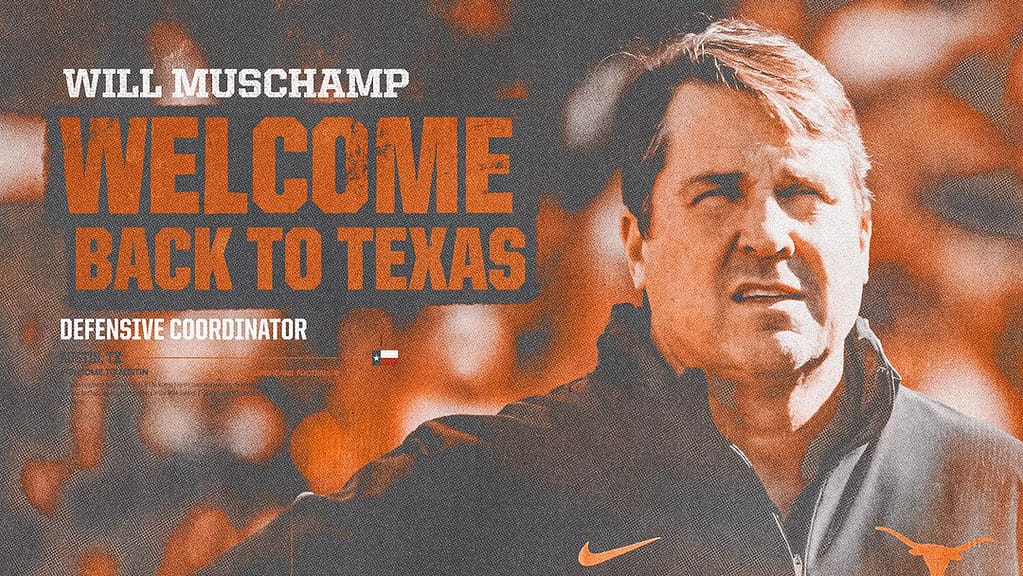
The University of Texas is making headlines for its bold investment in football leadership, as the school prepares to approve a blockbuster contract for defensive coordinator Will Muschamp. Slated for approval at the upcoming University of Texas System Board of Regents meeting, Muschamp’s pact solidifies his status among the upper echelon of college football coordinators and marks a strategic shift in compensation for elite assistant coaches.
Breaking Down Muschamp’s Multi-Million Dollar Agreement
Under the terms set to be ratified, Muschamp will receive $8.4 million in guaranteed earnings over the life of his contract, running through the end of the 2028-2029 season. His initial salary sits at $2.7 million for the upcoming season, outpacing the compensation of his predecessor, Pete Kwiatkowski, who earned $1.9 million during his final year on the job.
This new salary structure instantly elevates Muschamp into the national ranks of the best-paid coordinators. For comparison, last year’s top-paid assistant Jim Knowles, now helming Tennessee’s defense took home $3.1 million at Penn State before moving to the Volunteers, where he now earns $2.2 million annually. Additional industry heavyweights, including LSU’s Blake Baker and Michigan’s Wink Martindale, drew $2.5 million per season.
Over the course of Muschamp’s tenure, his guaranteed compensation will gradually rise, peaking at $2.9 million in his final contracted year. The package, outlined in public board materials, combines base salary and professional services payments and is supplemented by various perks. These include a dealership-provided vehicle, club memberships, and a reserved number of game tickets. For his transition to Austin, Muschamp was also awarded a one-time moving stipend of $35,000.
For more insight into assistant coach contracts, see USA Today’s coaching salary database.
Lucrative Incentives and Performance Bonuses
Beyond guaranteed money, Muschamp has the potential to further boost his pay through a range of performance-based incentives. Should the Texas defense achieve certain benchmarks and overall team success, Muschamp stands to receive up to 19% of his guaranteed annual compensation in bonuses a structure designed to reward on-field excellence.
Texas Reshapes Its Coaching Staff Compensation
Muschamp’s blockbuster deal is part of a larger initiative by Texas to invest in and retain top coaching talent. Offensive line coach Kyle Flood is slated for a 5% bump, bringing his annual pay to $1.525 million through 2028, while linebackers coach Johnny Nansen will see a 10% raise to $1.2 million per year. Notably, Nansen assumed defensive play-calling duties for the Longhorns during the Cheez-It Citrus Bowl following the departure of Kwiatkowski.
Such substantial pay increases underscore the competitive environment for coaching expertise at powerhouse programs Texas included.
Muschamp’s Return: From Georgia Staff to Texas Leadership
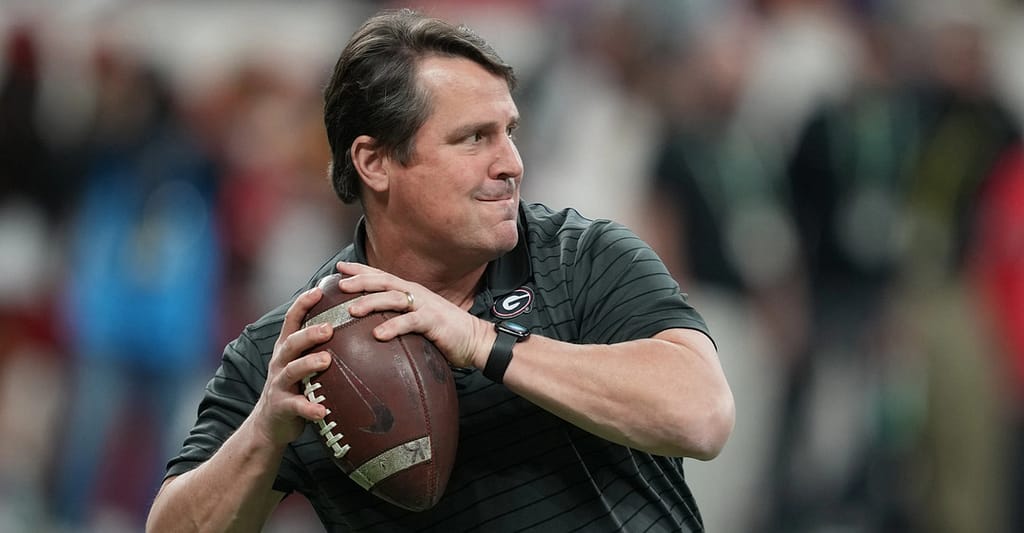
Will Muschamp is making a return to familiar territory. Before his years as a defensive analyst at Georgia, Muschamp previously served as Texas’s defensive coordinator from 2008 to 2010, playing a pivotal role in the Longhorns’ run to the 2009 BCS title game. Now, the program is banking on his experience and strategic acumen to elevate Texas’s defense as it eyes championships in the coming seasons.
Rising Market for Elite College Coordinators
The college football coaching market has seen a dramatic uptick in salaries for assistant coaches, with major programs willing to pay top dollar for proven track records and the ability to recruit elite talent. Texas’s investment in Muschamp reflects this broader trend as the program seeks to gain a competitive edge in the ever-intensifying arms race for coaching expertise.
Other schools are expected to follow suit, evaluating their own pay structures to avoid losing top coordinators to rivals, as the demand for premier football minds continues to grow.
Conclusion: Muschamp’s Payday Reflects Texas’s Ambition
The University of Texas’s high-profile agreement with Will Muschamp marks a turning point in the valuation of elite coordinators and signals the program’s ambitious goals for the near future. With Muschamp set to receive one of the highest paychecks among his peers, and with additional coaches at Texas receiving substantial raises, the Longhorns are staking their claim as one of the nation’s most competitive and lucrative destinations for coaching talent. As the college football landscape evolves, expect this kind of high-stakes investment in leadership to set new benchmarks for success on and off the field.