
Remember the last time you felt it? That electric, tribal hum in a packed stadium. The high-fives with strangers. The shared groan at a missed call. It’s a primal thing, this sports fandom.
I remember a sun-baked afternoon at DKR. We lost to Ole Miss. Yet, walking out, hoarse and sticky from spilled beer, it felt like a win. The loss was secondary to the communal consolation. That’s the raw engine of fan psychology: identity forged in shared hope.
But what happens when the stands are empty? When a global pause cancels seasons and forces a reckoning? The bond is tested. For die-hards like Marc Peña, who plans his life around Texas baseball, it was a visceral heartbreak. The rituals were gone.
My own view has curdled with time. Working as an analyst, I’ve seen the sausage get made. The suspicious, partisan lens through which every fanbase views a game can spoil the simple joy. We’re all guilty of seeking evidence that fits our narrative.
So, what are we really cheering for? Nostalgia? Community? Or a more complicated cocktail of expectation and identity? This Texas fan opinion is no longer just about wins and losses. It’s a mirror held up to our need to belong, even in the digital battlefields of modern fandom.
Media narrative impact
Ever wonder why a single headline can change your mood about a season? It’s not magic. It’s the media narrative machine, always guiding us, sometimes into outrage or hype.
Let’s go into the press box. It’s cold and quiet here. The game is seen through spreadsheets and soundbites. This view shapes the stories we hear.
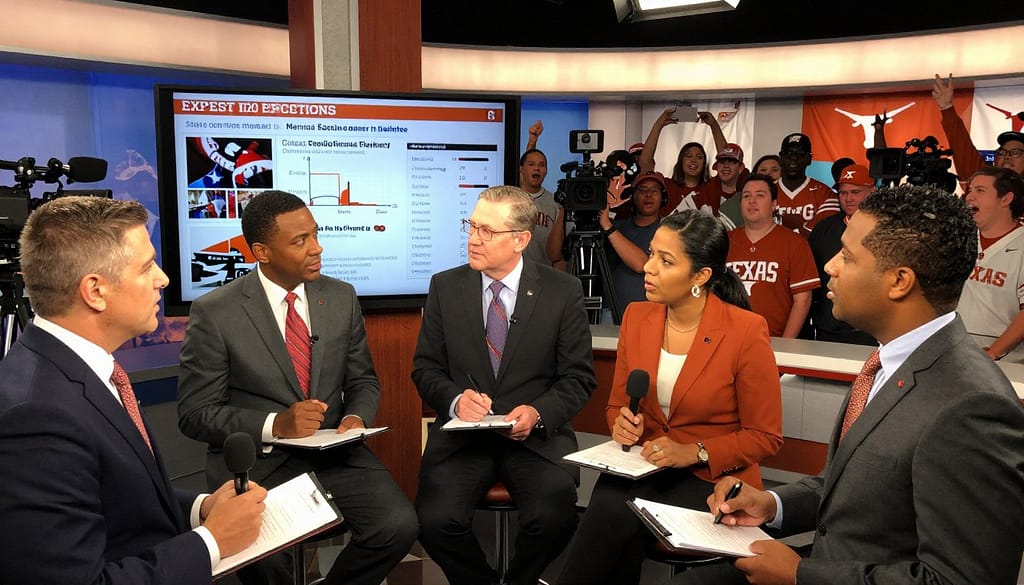
In 2020, player demands for change were big news. They were seen as a fight between tradition and progress. Every word from Athletic Director Chris Del Conte was analyzed.
Stadium capacity talks became a test of hope and loyalty. The media’s role was huge in shaping fan expectations.
The media sets our anger and hopes for the season. It decides if last year was a rebuilding year or a chance for a title. This is decided in August, not in December.
This isn’t just sports. Look at the “Turn Up the Lights” bar protest in San Antonio. It was a political statement that got national attention. The media made it a symbol of frustration and hope.
This power has big effects on fans:
- Inflaming Divisions: Issues like anthem protests become simple choices, with fans feeling forced to pick a side.
- Creating Unrealistic Pressure: Every class is legendary, and every loss is a failure. This makes the season feel like a simple win or lose.
- Shifting the Goalposts: Success is always changing, making fans chase an ever-moving target.
Next time you feel a strong emotion about your team, think. Is this real, or is it what you’ve been told? Understanding this can help you take back your fan feelings. For more, check out Texas Football Info.
The press box view is important, but it’s not everything. It should never be the only thing that defines being a fan.
Internal program standards
The Texas Minimum Construction Standards might seem like a lot, but they’re like the rules for Longhorn football. They’re not about making grand palaces. They’re about making sure the basics are covered, like a roof that doesn’t leak and wiring that works.
So, what’s the minimum viable product for Texas football? Is winning just enough, or do they aim for a conference title every year? This internal code puts a lot of program pressure on the team.
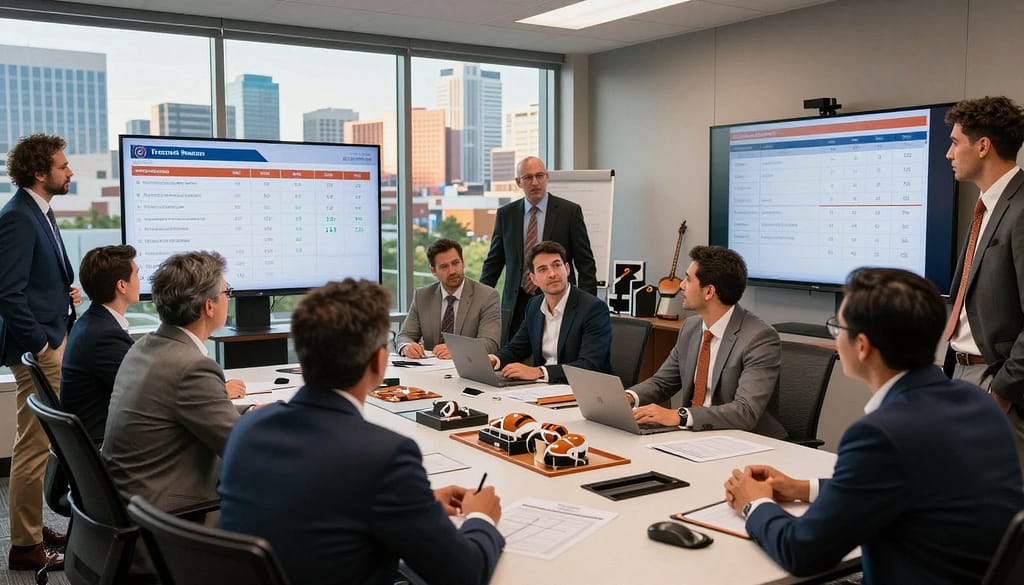
Think about the “Useful Life” standard. For a Texas homeowner, it’s five years. But for a Texas coach, the fans’ patience is much shorter. It’s like constantly fixing things instead of building a solid foundation.
In 2020, player demands were like trying to change the program’s social justice standards. AD Chris Del Conte had to manage risks during the pandemic. Interim President Hartzell also set new standards for the program’s history.
Every part of the program has its own rules. The tension comes when these rules clash. It’s like the plumber’s practical list versus the fan’s dream list. Can the team handle being called “substandard” by its own inspectors?
| Standard Type | Minimum Acceptable | Fan Expectation | Reality Check |
|---|---|---|---|
| Season Performance | Bowl Eligibility | Conference Title Contention | Often somewhere in between |
| Coach Tenure | 3-4 year rebuild | Immediate contender status | The program pressure accelerates timelines |
| Recruiting Class | Top 25 nationally | Top 5 nationally | Resources vs. development balance |
| Facility Standards | NCAA compliance | Best in nation | Constant arms race |
| Social Justice Standards | Basic NCAA requirements | Leadership position | Player-led initiatives driving change |
This table shows the differences between what’s acceptable and what fans want. It’s where program pressure is felt the most. It’s the gap between what’s necessary and what’s dreamed of.
Even in tough times, the standards didn’t go away. They were just adjusted. 25% capacity was a new minimum, not giving up.
This constant adjusting is tough. As Steve Sarkisian’s recent responses show, coaches face these challenges every day. They’re both building inspectors and architects at the same time.
So, what happens when the standards keep changing? You get a stressful situation. The standards that ensure quality also create a lot of pressure. The minimum keeps moving, always just out of reach.
Texas football isn’t failing. But it’s always being improved. The internal standards keep it from falling apart. The fans’ expectations push it to reach for more. Between these, program pressure is always present.
Balanced expectations
As the article suggests, we look into the mirror. What do we see? A fan holding a worn ticket stub from 2005? Or someone adjusting their mask, ready for the future?
Quan Cosby teaches us a lesson. He was a star who gave his all for the team but now fights for player rights. This balance is key. It’s about wearing burnt orange and understanding today’s world.
Professor Leonard Moore shared a secret. We’re not as wild as some SEC fans. Our passion is unique. It’s not about lowering our standards. It’s about adjusting them to fit reality.
A 25% full stadium isn’t a failure. It’s a win in a tough year. Retiring a song isn’t forgetting the past. It’s making room for new fans. The pressure to succeed never goes away. It drives college sports.
But does this pressure build strength or cause cracks? Sustainable fandom is about living in the present. It’s a home that can handle any challenge.
The final change is up to us. We must be both critics and supporters. The program must be both a business and a family. This tightrope is our new reality. Can we walk it?