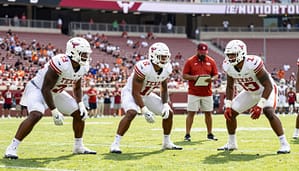
The Texas Longhorns enter the 2026 college football season with high expectations and national attention. At the center of that spotlight is quarterback Arch Manning, one of the most talked-about young players in the sport. However, recent developments surrounding his recovery from foot surgery have introduced a level of uncertainty that could shape the team’s outlook in the months ahead.
While early reports suggest progress, the timing of his return and his ability to perform at full capacity remain key questions. For a program aiming to compete at the highest level, even a short-term absence or limited availability could have significant consequences.
The Significance of Arch Manning to Texas Football
Few players carry the level of attention and expectation that Arch Manning does. As a member of the legendary Manning football family, he arrived at Texas with immense hype and the belief that he could lead the program back to national prominence.
Beyond the headlines, his importance to the team is rooted in his skill set. Manning brings a combination of arm strength, decision-making ability, and composure that fits perfectly within Texas’ offensive system. His presence not only elevates the passing game but also boosts confidence across the entire roster.
For the Longhorns, he is more than just a starting quarterback he is a cornerstone of their identity heading into the season.
Understanding the Injury and Recovery Timeline
The recent foot surgery has raised understandable concerns among fans and analysts. Injuries involving mobility are particularly important for quarterbacks, as they can affect footwork, pocket movement, and overall performance.
Reports indicate that Manning is progressing through recovery and has already taken steps toward returning to normal activity. However, he is expected to have limited participation during spring practice. This period is crucial for building chemistry, refining plays, and preparing for the season.
Missing or reducing involvement during this phase could impact timing with receivers and overall readiness. While not necessarily a long-term setback, it introduces variables that the coaching staff must carefully manage.
How Spring Practice Limitations Could Affect the Offense
Spring training is often overlooked by casual observers, but it plays a vital role in shaping a team’s performance. It is during this time that players develop rhythm, learn new schemes, and establish trust on the field.
If Manning is unable to fully participate, the offense may face challenges in achieving early cohesion. Backup quarterbacks will likely receive more reps, which can be beneficial for depth but may slow the development of the starting unit.
Timing between quarterback and receivers is especially critical. Even small disruptions can lead to inconsistencies in execution during the early part of the season.

Depth at Quarterback: A Safety Net or a Concern?
One of the key factors in determining whether Texas’ season is truly at risk is the strength of its quarterback depth. Strong backup options can help mitigate the impact of an injury, providing stability if the starter is unavailable.
Texas has invested in developing talent across the roster, and this depth could prove valuable in Manning’s absence or limited availability. However, replacing a player of his caliber is not a simple task.
Backup quarterbacks may be capable, but they often lack the experience and chemistry that come with being the primary starter. The coaching staff will need to evaluate whether the team can maintain its offensive identity without Manning at full strength.
The Pressure of Expectations in Austin
The Longhorns are entering the season with significant expectations. Fans and analysts alike view the team as a contender, capable of competing for conference titles and potentially making a deep postseason run.
With such high expectations, any uncertainty at the quarterback position becomes magnified. Manning’s recovery is not just a medical issue it is a storyline that could influence perceptions of the team’s chances.
If he returns quickly and performs at a high level, the narrative will shift toward resilience and readiness. If setbacks occur, questions about the team’s depth and preparation will take center stage.
The Broader Impact on Team Morale and Strategy
Injuries to key players often have ripple effects throughout a team. Teammates may need to adjust roles, coaches may alter game plans, and overall morale can be influenced by uncertainty.
For Texas, maintaining focus and confidence will be essential. The coaching staff must ensure that the team remains prepared regardless of Manning’s status. This may involve adapting offensive strategies to suit available personnel or emphasizing other strengths, such as the running game or defense.
A well-balanced approach can help offset the impact of any temporary setbacks at quarterback.
Can Texas Still Compete at the Highest Level?
The central question remains: is Texas’ season truly at risk? The answer depends on several factors, including Manning’s recovery timeline, the performance of backup quarterbacks, and the team’s ability to adapt.
College football seasons are rarely defined by a single variable. Depth, coaching, and overall team performance all play critical roles. While Manning’s presence is undeniably important, the Longhorns are not solely dependent on one player.
If the team can navigate the early part of the season effectively, even a delayed return may not derail their goals. However, prolonged absence or limited performance could present challenges in a highly competitive environment.
A Defining Moment for Texas Football
The situation surrounding Arch Manning’s recovery represents more than just an injury update it is a defining moment for the Texas program. How the team responds will reveal its resilience, depth, and readiness to compete at an elite level.
This period also offers an opportunity for other players to step up and contribute. Adversity can often serve as a catalyst for growth, pushing teams to develop new strengths and strategies.
For Texas, the coming weeks will be crucial in determining how the season unfolds.
Conclusion: Uncertainty, But Not Necessarily Risk
While concerns about Arch Manning’s recovery are valid, it is too early to conclude that Texas’ season is in jeopardy. The situation introduces uncertainty, but it also highlights the importance of preparation and adaptability.
If Manning returns to full health and quickly regains form, the Longhorns could still meet and possibly exceed expectations. Even if challenges arise, the team has the resources and talent to remain competitive.
Ultimately, the 2026 season will test Texas’ ability to navigate adversity. Whether this moment becomes a setback or a stepping stone will depend on how the program responds in the weeks ahead.