
The return of the Texas–Texas A&M rivalry under full SEC alignment has quickly moved from storyline to measurable market impact. Ticket demand for the upcoming matchup in College Station and Austin has surged to levels not seen in years of either program’s recent scheduling history, reflecting how deeply this rivalry still resonates across college football.
Early secondary market data and pre-sale indicators point toward pricing spikes that exceed typical SEC conference matchups. Even before kickoff dates and full kickoff times are finalized, demand behavior suggests this game sits in a different category entirely—closer to postseason-level interest than a regular-season fixture.
This shift is not driven only by nostalgia. It is shaped by conference realignment, national championship expectations, and the presence of high-profile players such as Arch Manning at Texas, alongside a rapidly improving Texas A&M roster under its current leadership direction.
Rivalry Returns Under SEC Pressure And National Spotlight
The Texas–Texas A&M rivalry was once one of the most consistent annual fixtures in college football before conference separation paused the matchup for more than a decade. Its return under SEC structure has transformed it from a regional rivalry into a national event with direct playoff implications.
Unlike previous eras, both programs now operate within the same championship ecosystem. That means every meeting carries potential consequences for SEC standings, College Football Playoff positioning, and recruiting momentum across Texas high school pipelines.
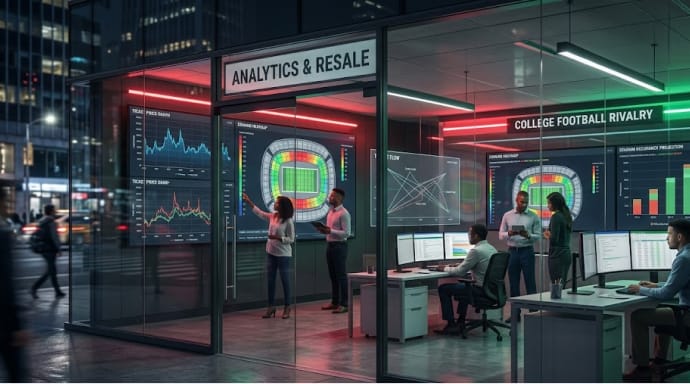
Early ticket demand patterns reflect this shift. Market analysis from major resale platforms indicates that SEC rivalry games involving Texas and Texas A&M are trending higher than comparable conference matchups featuring teams with similar records.
While exact pricing fluctuates based on venue allocation and seating tiers, premium sections are already showing accelerated sell-through rates.
The broader sports market context from ESPN Ticketing Analytics has consistently shown that rivalry renewals produce disproportionate demand spikes, particularly when both teams enter the matchup with postseason relevance.
Texas–Texas A&M now fits that exact profile.
Arch Manning Effect Adds National Attention To Ticket Surge
One of the strongest drivers of current demand is the presence of Arch Manning, who enters the 2026 season as one of the most recognizable quarterbacks in college football.
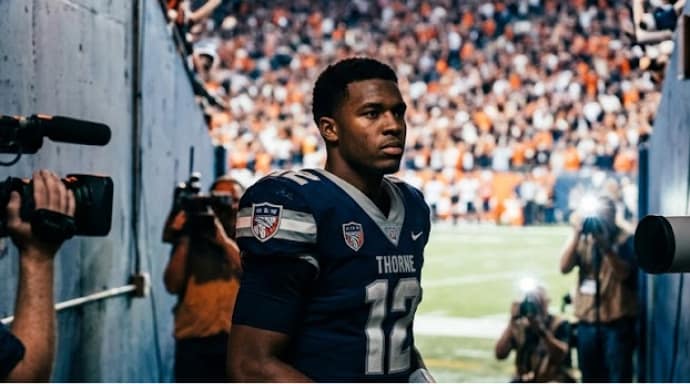
Manning’s 2025 production—over 3,100 passing yards and 26 touchdowns—established him as a legitimate national star rather than a developmental storyline. His continued progression into a full leadership role for Texas has elevated every marquee matchup on the Longhorns’ schedule.
When combined with a rivalry opponent like Texas A&M, the result is heightened national interest.
Fans are not only buying into the rivalry itself, but also into the possibility of watching a defining SEC performance from a quarterback expected to shape Texas’ championship window.
That expectation feeds directly into ticket demand behavior. Games involving high-profile quarterbacks consistently outperform market projections, particularly when those games carry historical weight.
SEC Realignment Has Elevated The Stakes Of The Rivalry
The most significant difference in this renewed rivalry is conference context. Texas and Texas A&M are no longer scheduling non-conference meetings. They are competing within the same SEC structure, where playoff paths are often determined by one or two critical losses.
That reality changes how fans, analysts, and programs value the matchup.
Texas A&M brings a physical defensive identity that traditionally challenges spread-based offenses. Texas, under Steve Sarkisian, operates one of the more structured and timing-based offensive systems in the SEC. That contrast creates a matchup dynamic that attracts national viewership and drives fan urgency.
From a ticketing perspective, SEC designation alone increases baseline demand. Add rivalry history and playoff relevance, and the market behavior begins to resemble championship-level pricing curves.
Secondary market tracking from SeatGeek’s College Football Index shows that rivalry games with postseason implications consistently rank among the top 10 most expensive regular-season tickets in the sport.
Texas–Texas A&M is trending in that direction months before kickoff.
Kyle Field And DKR Atmosphere Intensify Demand Pressure
Venue rotation adds another layer to the demand surge. Both Kyle Field in College Station and Darrell K Royal–Texas Memorial Stadium in Austin represent two of the most influential environments in college football attendance.
Kyle Field regularly exceeds 100,000 fans, creating one of the loudest stadium environments in the sport. DKR, meanwhile, has undergone significant expansion and modernization, reinforcing Texas’ ability to host large-scale SEC events.
These environments are not just football venues. They function as competitive variables that influence performance, recruiting perception, and broadcast appeal.
The rivalry matchup now guarantees one of these stadiums will host an SEC-caliber game with playoff implications, increasing urgency among fans to secure attendance early.
The combination of venue prestige and rivalry context explains why demand is accelerating before official scheduling windows close.
Recruiting Impact Adds Another Layer To Ticket Market Growth
Recruiting remains a hidden driver of ticket demand in modern college football. Prospects routinely attend rivalry games to evaluate program culture, crowd intensity, and competitive atmosphere.
Texas and Texas A&M both operate heavily within the state’s elite high school pipeline, making this matchup a recruiting showcase.
For recruits, the rivalry represents more than a game. It reflects identity, fan engagement, and program trajectory.
Programs with strong rivalry environments often gain perception advantages during recruiting cycles, particularly in defensive line and skill position battles.
Texas has already strengthened its recruiting profile through recent defensive additions and offensive talent acquisition. Our coverage of Texas SEC recruiting momentum highlights how national recognition is aligning with roster construction.
That alignment increases the importance of marquee games like Texas–Texas A&M, where recruits observe how programs perform under pressure.
Table: Key Drivers Behind Texas vs Texas A&M Ticket Demand Surge
| Driver | Market Impact | Why It Matters |
|---|---|---|
| Arch Manning leadership era | National visibility increase | QB-driven demand spike |
| SEC conference alignment | Higher baseline pricing | Playoff relevance |
| Rivalry history return | Emotional fan urgency | Cultural significance |
| Stadium environments | Limited premium inventory | Attendance pressure |
| Recruiting showcase effect | Long-term program branding | Prospect exposure |
Each factor compounds the others, producing a demand environment that extends beyond typical regular-season pricing behavior.
SEC Market Reality Shows Rivalry Games Driving Premium Valuation
Across the SEC, rivalry games consistently outperform standard conference matchups in ticket demand, media coverage, and broadcast ratings.
Texas–Texas A&M now joins that group at full scale.
What separates this rivalry is timing. Both programs are entering phases where roster talent, coaching stability, and national expectations align simultaneously.
That alignment creates conditions where demand is not only high but sustained across multiple seasons.
Ticket pricing trends suggest this matchup may remain one of the most expensive regular-season games in college football moving forward.
As SEC schedules lock in future years, demand is expected to remain elevated due to consistent playoff relevance and recruiting implications.
Texas and Texas A&M are no longer just regional rivals. They are now positioned as national brands competing inside the most demanding conference in college football.
That reality explains why ticket demand is rising before the first snap is even scheduled.