The Baylor 2026 football season is not just another reset in Waco; it is a referendum on whether Dave Aranda can still turn roster construction, quarterback upside and defensive recalibration into a real Big 12 climb. Baylor has reached the uncomfortable part of a coaching cycle where patience becomes pressure, optimism needs evidence, and every offseason change gets measured against one blunt question: is this finally enough?
That is why this season matters beyond ordinary preseason curiosity. Aranda is entering Year 7 at Baylor with a record hovering around .500, multiple losing seasons behind him, and a roster that now leans heavily on transfer-portal answers. The Bears have not merely tweaked the program. They have changed the formula.
Why The Baylor 2026 Football Season Feels Like A Verdict
Some seasons are about development. Others are about survival. Baylor’s 2026 season feels closer to the second category because the program is past the point where vague progress can satisfy the room.
Aranda has already shown he can win at Baylor. That matters. His 2021 team reached the top tier of the Big 12, won the conference, and restored a level of credibility that made Baylor feel like a stable contender again. The problem is what followed. Baylor has struggled to sustain that climb, and the gap between peak Aranda and recent Baylor has become too wide to ignore.
That is what makes the current reset so fascinating. The Bears are not selling a slow rebuild with freshman patience. They are leaning into immediate fixes, experienced transfers and a quarterback with national recruiting pedigree. The public version of the Baylor 2026 football season conversation is built around urgency because there is no clean way to separate roster change from coaching evaluation anymore.
The program needs more than better effort. It needs a clearer identity. It needs offensive rhythm, defensive toughness, cleaner line play and enough Big 12 consistency to make the season feel like a forward step rather than another restart. That is a lot to demand from one year, but that is the reality Baylor created.
Dave Aranda Is Coaching Against The Calendar
The hardest part of Aranda’s position is that he is not being judged only by his philosophy anymore. He is being judged by timing.
That distinction matters. A coach can be respected, thoughtful and capable while still reaching a point where the program needs visible momentum. Baylor does not need Aranda to explain what he wants the Bears to become. Baylor needs the Bears to look like they are becoming it.
The record tells part of the story, but the emotional weight goes deeper. Fans can live with a young team taking lumps if the direction is obvious. They can accept rebuilding pain if recruiting traction and player development are visible. They can even tolerate inconsistency if the best version of the team looks dangerous enough to project forward. What wears people down is uncertainty.
That is where Aranda’s 2026 challenge gets sharp. The Big 12 is not waiting for Baylor to find itself. The league is crowded with programs trying to seize the same middle-to-upper tier. In that environment, a program cannot afford to drift. It either becomes a problem for opponents or becomes a schedule opportunity.
Baylor has to avoid the second label. That means Aranda must produce a team that looks prepared, physically improved and tactically coherent. Not perfect. Not necessarily championship-ready by September. But better in ways that are obvious and repeatable.
The season will test his leadership because the reset is no longer theoretical. The portal class is in place. The quarterback headline is in place. The pressure is in place. Now the program has to play.
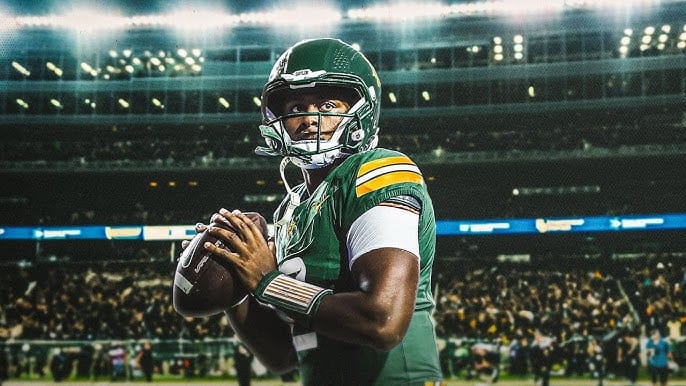
DJ Lagway Changes The Ceiling, But Not The Whole Equation
The arrival of DJ Lagway gives Baylor the kind of quarterback storyline that can change the tone of an offseason. He brings size, arm talent, Texas roots and a recruiting profile that naturally creates interest. For a program trying to reframe its direction, that matters.
But Lagway is not a magic shield. He can raise Baylor’s ceiling without solving every structural issue around him. That is the key distinction. Quarterbacks often become the face of a reset because the position is so visible, but the best version of Lagway still needs protection, separation, balance and field position.
That is why I would be careful with the “savior” language. Baylor does not need Lagway to become a one-man rescue operation. The Bears need him to become the central piece of a functioning offense. Those are very different asks.
If the offensive line settles, the run game becomes credible and the receivers win enough early-down matchups, Lagway can turn Baylor into a more explosive team. If those pieces wobble, he may be forced into high-difficulty football too often. That creates risk, especially for a quarterback being asked to lead a program under intense evaluation.
The encouraging part is obvious. Baylor did not add a low-upside placeholder. The Bears added a quarterback with enough tools to make defensive coordinators prepare seriously. His presence changes the scouting report. It creates a different type of threat.
The challenge is whether Baylor can build a stable environment around that talent. Quarterback upside is valuable. Quarterback dependency is dangerous.
The Transfer Portal Reset Reveals Baylor’s Urgency
Baylor’s roster strategy tells us how the staff views the moment. This is not a program simply waiting for high school classes to mature. The Bears have moved aggressively through the portal, adding immediate help across the roster and trying to replace production quickly.
That approach is understandable. It is also revealing. A portal-heavy reset carries both opportunity and cost.
The opportunity is speed. Baylor can address needs faster, add older bodies and create competition without waiting two or three seasons. In the modern college football model, that is no longer optional for programs trying to keep pace. The transfer portal has become part of serious roster management, especially for teams that need a quick correction.
The cost is cohesion. A roster with many new faces must learn faster than a traditionally built team. Chemistry cannot be assumed. Communication cannot be delayed. Leadership has to form quickly, especially when the quarterback, offensive line pieces and defensive contributors may all be adjusting at once.
That is the tension Baylor faces. The portal can raise the floor if the staff evaluated well. It can also create a team that looks talented on paper but disjointed on Saturdays. The difference usually comes down to execution.
For readers who follow roster decisions across Texas football, the same evaluation lens applies from Waco to Arlington: talent only becomes meaningful when the role, scheme and timing all connect, which is why a piece like this broader Texas football roster perspective fits the larger conversation around team-building.
The Baylor 2026 Reset At A Glance
| Area | What Changed | Why It Matters |
|---|---|---|
| Head Coach | Dave Aranda enters a pivotal Year 7 | The season could shape Baylor’s long-term direction |
| Quarterback | DJ Lagway arrives from Florida | Baylor gains a high-upside centerpiece for the offense |
| Roster Build | Transfer portal additions reshape the depth chart | Immediate production is now essential |
| Big 12 Outlook | The league remains crowded and unpredictable | Baylor has little margin for another slow start |
| Defensive Standard | Aranda’s background raises expectations | The Bears need toughness and consistency to return |
| Offensive Identity | New personnel must fit quickly | Lagway needs structure, not just freedom |
Baylor’s Line Of Scrimmage May Decide The Season
Quarterback stories drive traffic, but line play often decides whether those stories age well. Baylor’s 2026 season may turn on whether the Bears can become more dependable up front.
That starts with the offensive line. Lagway can extend plays and stress defenses, but asking him to live under constant pressure would be a poor plan. The Bears need cleaner pockets, more manageable third downs and enough run-game bite to keep opponents honest. Without that, the offense risks becoming too volatile.
The defensive front matters just as much. Aranda’s best teams have usually carried a real defensive edge. They controlled space, tackled with discipline and forced opponents to work for everything. Baylor needs to recover more of that personality.
The Big 12 punishes soft line play. Spread offenses will test tackling. Tempo will test depth. Quarterbacks will punish busted fits. If Baylor cannot hold up physically, the skill-position upgrades will not matter enough.
That is why the line of scrimmage is the cleanest truth test. A team can fake improvement for a few drives with explosive plays. It cannot fake physical reliability across a full conference season. Baylor’s path back starts with toughness in places that do not always make the headline.
The Big 12 Is Not Giving Baylor A Soft Landing
Baylor’s problem is not only internal. The conference environment makes the reset harder.
The Big 12 has become a league of compressed margins. There are fewer automatic wins, more stylistic contrasts and more programs willing to lean heavily into transfers, NIL strategy and aggressive staff moves. That makes the middle of the league especially dangerous. One or two close losses can turn a promising season into a scramble.
For Baylor, that means the standard cannot be vague competitiveness. The Bears need to win the games that define bowl eligibility, conference positioning and belief inside the locker room. A close loss to a strong opponent may show growth, but it does not change the standings. At some point, Baylor needs results.
This is where Aranda’s game management and staff adjustments will be scrutinized. Can Baylor start faster? Can the Bears respond when the first plan fails? Can they avoid the kind of second-half slippage that makes fans question the sideline?
Those questions create real stakes. The Big 12 does not require Baylor to be flawless, but it does require weekly competence. The league is too balanced for a team to spend September searching for its personality.
What Success Should Actually Look Like
The mistake would be defining Baylor’s 2026 season only by a single win total before the games begin. Yes, the record matters. It may matter more this year than it has in any recent Baylor season. But the evaluation should be broader than a number.
Success should look like a team with a clear offensive plan around Lagway. It should look like better line play, fewer empty possessions and more controlled aggression. It should look like a defense that plays with improved leverage and fewer communication breakdowns. It should look like a program that no longer feels stuck between past success and present confusion.
A winning season would obviously change the tone. A strong Big 12 finish would do even more. But the deeper issue is whether Baylor can become believable again.
Believability is not hype. It is the weekly sense that a program knows who it is, knows how it wins and knows how to fix problems when opponents punch back. Baylor has been missing too much of that clarity.
If Aranda gets it back, the conversation around his future changes quickly. If the same patterns return, the reset will be treated less as a new beginning and more as a final attempt.
The Case For Aranda Still Exists
It would be too easy to frame Aranda only as a coach under pressure. That is part of the story, but not the whole story.
There is still a case for why this can work. Aranda has built a winning team at Baylor before. He has a defensive background that gives him a clear philosophical foundation. He has adjusted his roster strategy instead of pretending the sport has not changed. He now has a quarterback talented enough to make the offense more dynamic.
Those are not small points. They give Baylor a real path to improvement.
The question is whether the pieces can come together quickly enough. College football no longer gives coaches endless runway. The portal accelerates roster change, but it also accelerates expectations. If a staff can add immediate talent in January, fans expect visible improvement by September.
That creates tension for Aranda. His temperament has often leaned reflective and methodical. The moment now demands urgency. Baylor needs calm leadership, but it also needs visible adaptation.
The best version of this season would combine both: Aranda’s measured defensive mind with a more aggressive roster-building and offensive identity. If that balance appears, Baylor becomes one of the more interesting teams in Texas football.
The Case Against The Reset Is Also Fair
The skeptical view is not unreasonable. Baylor has tried to reset before. Staff changes, roster changes and offseason optimism do not automatically erase recent results.
A transfer-heavy team can be exciting in the spring and messy in the fall. A celebrated quarterback can still struggle if the offense asks him to do too much. A coach with previous success can still reach a point where the program needs a new voice.
That is why Baylor’s 2026 season feels so unforgiving. There are fewer excuses available. The Bears have made the moves. The quarterback headline is real. The portal class is large enough to be judged quickly. Aranda’s tenure is long enough that the program can no longer be treated as early-stage construction.
The skeptical case comes down to accountability. If the Bears do not improve, it will be hard to argue that the answer is simply more time.
Still, skepticism is not the same as dismissal. Baylor has enough talent and enough urgency to become a difficult out. The issue is whether the team can turn urgency into confidence rather than tightness.
Pressure can sharpen a program. It can also expose it.
DJ Lagway’s Fit Will Shape The Narrative
The most visible football question is how Baylor builds around Lagway. The Bears cannot simply drop him into the offense and hope talent handles the rest.
A smart plan would give him early rhythm, defined reads, play-action opportunities and enough designed movement to use his tools without making the offense chaotic. The goal should be controlled freedom. Let him create, but do not make improvisation the base offense.
His arm talent gives Baylor a chance to stretch the field. His size and mobility can stress defenses. His Texas background and Baylor connection add emotional appeal. But the weekly test will be efficiency. Can he avoid the bad turnover? Can he keep the offense on schedule? Can he make the ordinary play often enough that the spectacular play becomes a bonus?
The official Baylor football roster confirms how dramatically the quarterback room and surrounding cast have shifted, and that turnover makes offensive cohesion one of the most important themes of the offseason.
If Lagway plays well, he changes the tone around everything. The staff looks smarter. The portal class looks more coherent. Aranda’s future looks less fragile. If he struggles, the pressure moves directly back to the broader structure.
That is the burden of a quarterback reset. The player becomes the symbol, even when the outcome depends on much more than him.
Why This Season Matters For Baylor’s Brand
Baylor football is not just trying to win games in 2026. It is trying to reestablish what the program represents in the expanded, unsettled, transfer-driven Big 12.
That brand question matters. Recruits notice program direction. Transfers notice coaching stability. Donors notice momentum. Fans notice whether the team feels serious. A program’s reputation is built through Saturdays, but it is reinforced by the confidence surrounding those Saturdays.
Baylor does not have to become a national title contender overnight. That is not the immediate standard. But it does need to feel like a program with a persuasive next chapter.
A strong 2026 season would restore belief. It would show that Aranda can adjust to the modern version of the sport and still produce a disciplined, physical, competitive team. It would make Lagway’s arrival feel like the start of something rather than a temporary spark.
A disappointing season would do the opposite. It would frame the portal reset as a costly delay, not a solution. It would raise deeper questions about direction, leadership and whether Baylor’s best Aranda season is now too far in the rearview mirror.
That is why the stakes feel so high. The Bears are playing for wins, but they are also playing for relevance.
What I Would Watch First
When the season begins, I would not start by judging Baylor only through highlights. I would watch the boring details.
Does the offensive line communicate cleanly? Does Lagway have answers before pressure arrives? Does the defense tackle well in space? Does Baylor avoid wasted timeouts and substitution confusion? Do the Bears look like a team with a plan?
Those details reveal whether a reset is real.
The first month will be especially revealing because new rosters often expose their weaknesses early. Baylor does not need to look finished, but it must look organized. It must show purpose.
I would also watch body language after adversity. Every team talks about belief in the offseason. The better test comes after a turnover, a busted coverage or a bad quarter. Does Baylor tighten up, or does it respond?
That will tell us a lot about Aranda’s hold on the room.
The Forward View In Waco
The Baylor 2026 football season carries the weight of a coaching evaluation, a quarterback gamble and a roster experiment all at once. That is what makes it one of the most compelling Texas football stories of the year. It is not clean. It is not low-pressure. It is exactly the kind of season that reveals whether a program is still building or merely hoping.
Aranda has a real opportunity. Lagway gives the offense a headline talent. The portal gives the roster new options. The Big 12 gives Baylor a path to change its perception quickly if the Bears can stack wins and look more physically dependable.
The risk is just as clear. If the same problems return, the reset will not protect the staff from hard questions. It may intensify them.
That is the drama in Waco. Baylor does not need a perfect season to change the conversation, but it does need a convincing one. The Baylor 2026 football season is the moment where patience, pressure and possibility finally meet on the same field.