As spring football unfolds in College Station, one storyline dominates conversation surrounding the Texas A&M Aggies: the quarterback battle that could define the 2026 season. With roster changes, transfer portal additions, and evolving offensive philosophy, the race to lead the Aggies’ offense is both competitive and consequential.
Quarterback play remains the most influential factor in modern college football success. For Texas A&M, identifying the right leader under center is not simply about arm strength or athleticism it is about decision-making, poise, and fit within an offense designed to compete in the rugged SEC.
Why the Quarterback Decision Matters More Than Ever
Texas A&M’s recent seasons have featured flashes of promise but inconsistent execution at key moments. In close SEC matchups, quarterback performance often determines outcomes. Turnovers, stalled drives, and red-zone inefficiencies have underscored the importance of stability at the position.
Heading into 2026, the coaching staff appears intent on finding a signal-caller who can balance aggression with discipline. The Aggies’ offensive identity is evolving toward a more balanced, tempo-controlled system that emphasizes efficiency rather than high-risk explosiveness.
The quarterback must not only execute the playbook but also serve as the emotional anchor of a roster blending veteran leaders and emerging contributors.
Evaluating the Contenders: Experience vs. Upside
Spring camp has showcased a compelling contrast between experience and potential. On one side, there is the veteran presence players who have seen SEC defenses firsthand and understand the speed and physicality of conference play. On the other, there are younger quarterbacks with dynamic athletic traits and high ceilings.
Coaches are reportedly evaluating several critical criteria during practice sessions:
- Command of the offense at the line of scrimmage
- Accuracy in intermediate passing windows
- Mobility within and outside the pocket
- Ball security under pressure
Rather than focusing solely on highlight-reel throws, the staff appears to be prioritizing consistency and situational awareness. In SEC competition, minimizing mistakes can be as valuable as producing explosive plays.
Offensive Scheme Adjustments Heading into 2026
The Aggies’ offensive strategy may influence the quarterback decision as much as individual performance. In recent years, Texas A&M has alternated between vertical passing concepts and run-heavy approaches. For 2026, signs suggest a commitment to a more adaptable scheme that integrates tempo variation and diversified route combinations.
If the offense leans toward quick reads and timing routes, accuracy and decisiveness will be paramount. Conversely, if the staff incorporates more designed quarterback movement such as rollouts and read-option packages mobility becomes a decisive factor.
Spring practices have reportedly emphasized pre-snap adjustments and audibles, indicating that the eventual starter must demonstrate high football IQ and confidence in reading defensive alignments and can be compared with professional basketball strategies.

The Role of the Transfer Portal
The transfer portal has transformed roster construction across college football, and Texas A&M is no exception. Portal additions have strengthened skill positions, particularly at wide receiver and tight end, giving the quarterback competition additional intrigue.
With improved weapons on the perimeter, the eventual starter will inherit an offense capable of stretching defenses both vertically and horizontally. This depth allows coaches to tailor game plans to the quarterback’s strengths, increasing the likelihood of a cohesive offensive identity.
However, integrating transfer players also requires chemistry. Quarterback-to-receiver timing remains one of the most delicate aspects of offensive execution, making spring and summer workouts crucial for relationship building.
Leadership and Locker Room Impact
Beyond mechanics and playbook mastery, leadership qualities weigh heavily in the evaluation process. Quarterbacks are often viewed as extensions of the coaching staff on the field. Their demeanor during adversity can influence team morale and momentum.
Reports from early practices suggest that both leading contenders have displayed vocal presence in the huddle. Coaches are closely monitoring how each player handles mistakes and responds to competitive pressure.
The SEC’s demanding schedule ensures that adversity will arise. The quarterback who earns the starting role must project calm authority in hostile road environments and late-game situations.
How the Decision Could Shape the Season
Texas A&M’s 2026 outlook hinges on offensive consistency. The Aggies possess defensive talent capable of limiting opponents, but complementary offense remains essential.
If the quarterback competition produces a clear leader who can efficiently manage games while delivering timely explosive plays, the Aggies could emerge as a serious contender within the conference. Conversely, prolonged uncertainty at the position could disrupt rhythm and limit offensive cohesion.
Coaches face the delicate balance of allowing competition to push performance without allowing it to hinder unity.
Statistical Benchmarks to Watch
As preseason projections circulate, several performance indicators will likely determine success:
- Completion percentage above 65 percent
- Improved third-down conversion rates
- Reduced interception totals compared to previous seasons
- Enhanced red-zone scoring efficiency
These metrics reflect the broader objective: transforming potential into sustained production.
Fan Expectations and National Spotlight
The Texas A&M quarterback competition has not gone unnoticed nationally. Analysts and fans alike recognize that the Aggies’ ceiling depends heavily on the stability and leadership of the starting quarterback.
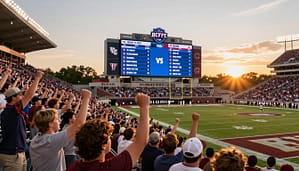
Kyle Field’s electric atmosphere will amplify scrutiny. Early-season performance could either solidify confidence or intensify debate. In today’s college football landscape, where social media amplifies every throw and miscue, composure is essential.
When Will the Starter Be Named?
Coaches have remained measured in discussing a timeline. While some programs prefer naming a starter early in fall camp, others allow competition to extend into preseason games.
Given the high stakes, Texas A&M’s staff may prioritize clarity before conference play begins. Announcing a starter too late risks disrupting preparation; declaring one too early may limit developmental competition.
Ultimately, the decision will likely reflect a blend of statistical performance, practice evaluation, and intangible leadership qualities.
Final Outlook: A Defining Moment for 2026
The quarterback competition within the Texas A&M Aggies program represents more than a positional battle it symbolizes a broader strategic crossroads. The Aggies aim to refine their offensive identity, enhance efficiency, and compete consistently within the SEC’s demanding landscape.
Selecting the right quarterback will shape tempo, play-calling philosophy, and overall team confidence. With talent surrounding the position and strategic adjustments underway, the foundation is in place for offensive resurgence.
As spring practice transitions into summer workouts and fall camp, the intensity of the competition will only increase. By the time the 2026 season kicks off, one quarterback will carry not just the playbook but the expectations of an ambitious program seeking to turn promise into tangible success.