The Dallas Cowboys have reached the point in the offseason when intent starts to matter as much as talent. With the 2026 draft approaching, eight picks in hand, and fresh signals emerging after the league’s owners meetings, Dallas is entering a stretch that could shape not just the roster, but the franchise’s identity for the next several years.
I see this as one of those defining moments that separates routine offseason maintenance from genuine team-building. For the Cowboys, the Dallas Cowboys 2026 NFL Draft is no longer just a calendar event; it is the clearest window yet into how the organization plans to balance ambition, patience, and long-term roster control. For more on the broader draft landscape, visit the Dallas Cowboys 2026 NFL Draft.
A Franchise At A Strategic Crossroads
This is a familiar time of year in Dallas, but the stakes feel unusually precise. The Cowboys are not simply preparing to add young players. They are trying to decide what kind of roster they want to be by the time the 2026 season fully takes shape. Eight draft picks give them flexibility, but flexibility only becomes meaningful when an organization knows how it wants to spend it.
That is what makes this moment so important. Draft capital can be used to fill holes, support established stars, create leverage for future moves, or reset expensive positions with younger talent. The Cowboys have enough selections to do more than one of those things, but not enough to waste them on short-term thinking. Every team talks about value this time of year. In Dallas, value has to mean more than grabbing the best athlete available. It has to mean building a more coherent roster.
The owners meetings often serve as a soft reveal of organizational priorities, and the Cowboys emerged from that setting with a clearer outline of their current thinking. The emphasis is on shaping the roster carefully, not impulsively, and using the draft as the primary instrument.
Why Eight Picks Matter More Than The Number Suggests
On paper, eight draft picks sounds like a healthy total. In practice, it gives Dallas a layered set of options. I think that matters because the best front offices do not just draft players; they create multiple paths for themselves. A team with eight picks can stay put and target need. It can package assets to move up. It can move back and accumulate more picks. It can address premium positions early and fill out depth later without feeling cornered.
That flexibility becomes especially valuable when a team is navigating both immediate expectations and future contract decisions. Dallas is never judged on patience alone. The Cowboys are judged on whether they look like contenders, and that pressure often distorts the draft process. A team under constant spotlight can be tempted to chase the headline move rather than the sustainable one.
This year, I believe the smarter play is restraint paired with clarity. Eight picks should allow Dallas to avoid desperation. That is the real advantage. Instead of drafting for panic, the Cowboys can draft for sequence: what the roster needs now, what it may lose later, and where cheaper young production can preserve long-term balance.
The George Pickens Calculation
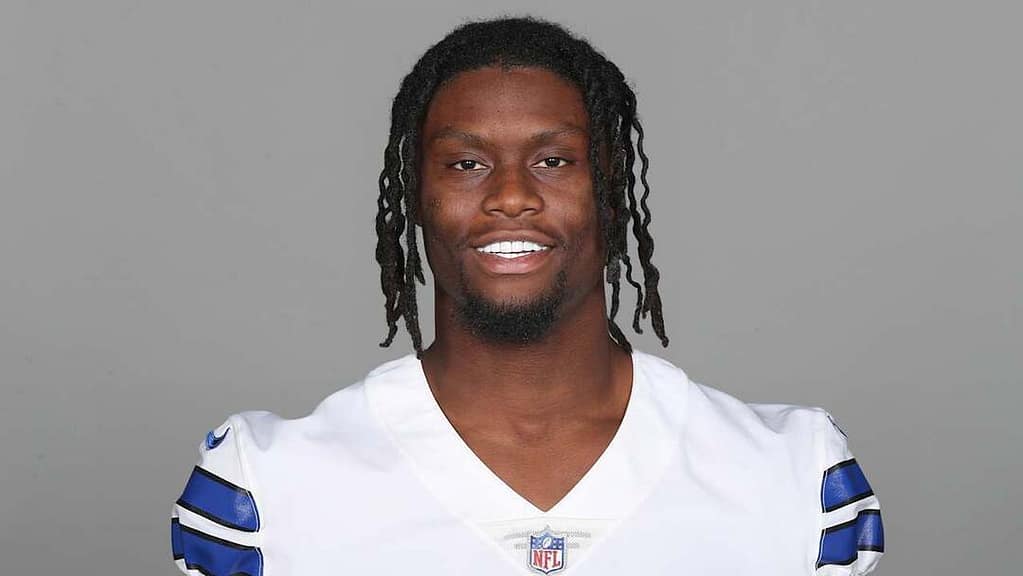
One of the more revealing elements of the current Cowboys outlook is the organization’s posture toward George Pickens. Team officials have made it clear they still view him as part of their long-term plan, even without new contract talks at this stage. That is a notable position because it signals belief without rushing into a financial commitment.
I read that as a deliberate choice, not hesitation for its own sake. Dallas appears to be keeping the player firmly inside its future vision while preserving negotiating flexibility. In today’s NFL, that distinction matters. Teams often make one of two mistakes with talented players: they either lock in too early and inflate risk, or they create so much uncertainty that the relationship starts to fray. The Cowboys seem to be trying to avoid both.
That said, the absence of fresh contract movement means the draft takes on added importance. If the organization is serious about Pickens as a long-term piece, then roster planning around him must reflect that belief. Draft choices at skill positions, supporting roles, and even adjacent offensive needs can quietly reveal how committed Dallas really is. Public confidence is one thing. Draft behavior is another.
What Dallas Must Get Right
The Cowboys do not need a flashy draft nearly as much as they need a disciplined one. I think that is the central truth of this offseason. For a team with playoff expectations and constant national visibility, the temptation is always to chase immediate excitement. But the stronger path is to come away with players who can either contribute quickly or develop into cost-controlled starters at important positions.
That kind of draft rarely dominates the first-night conversation, but it often decides whether a franchise remains competitive when the roster inevitably becomes more expensive. Dallas has lived through enough cycles to understand this. The challenge is not identifying talent in isolation. It is aligning the board with a broader roster thesis.
That thesis now appears to be coming into focus. The Cowboys want to shape the roster through the draft, preserve optionality, and avoid premature financial decisions while still signaling continuity around key pieces. It is a balanced approach, but balance only works when the execution is sharp.
Pressure, Patience, And The Reality Of Dallas
No team in football operates under quite the same mix of scrutiny and expectation. In Dallas, every offseason move is treated as a referendum on ambition. That can create noise, but it also reveals whether the organization is confident enough to stick to a plan.
I think that is what makes this draft cycle so telling. The Cowboys have enough resources to improve meaningfully, enough urgency to justify bold thinking, and enough unresolved long-term questions to make every selection carry extra weight. This is not just about adding talent. It is about signaling whether Dallas has a credible roadmap from roster assembly to sustained contention.
The George Pickens situation reinforces that point. The team has left the door open to a long future together without forcing an immediate resolution. That can be smart business. It can also become a test of whether the rest of the roster is being built with that future in mind.
Why This Matters Right Now
The Cowboys are entering one of the most important evaluation windows of their offseason, and the consequences will extend well beyond draft weekend. Eight picks, a roster in active formation, and a significant long-term personnel question are converging at the same time. That combination gives Dallas opportunity, but it also removes excuses.
What happens next will tell us whether the Cowboys are merely managing the offseason or truly defining it. I believe that is why this moment matters now: because in a league built on timing, Dallas has reached the stage where strategy must become action, and action must finally look like vision.